Difference Between Chinese, Indian, and Japanese Food Introduction
Listen to blog
3 min read duration
by Pabitha
August 21, 2026
Share:
Loading table of contents...
Loading content...
Loading content...


3 min read duration

The demand for UK foods online keeps growing every year. More people now prefer quick comfort food over cooking after a long day. But here’s the funny...
Read more →
Whether it’s a busy work schedule, a long commute, a late-night craving, or simply not wanting to think about washing up, ordering food online has bec...
Read more →
Ever had one of those evenings where cooking feels like a full-time job you never applied for? Or opened the fridge, stared at half an onion, a lonely...
Read more →Chinese, Indian, and Japanese cuisines are three of the most popular takeaway choices in the UK, each offering completely different flavours and styles. Chinese food consistently ranks among the top ordered cuisines, Indian food continues to grow rapidly, and Japanese food is becoming increasingly popular, especially in cities. But what’s actually the difference between them, and how do you choose what to order? This guide breaks down flavour profiles, popular dishes, and UK ordering trends so you can pick the right cuisine for your mood, whether you want something spicy, comforting, or light.
Each cuisine has its own set of UK favourites that regularly appear at the top of takeaway menus.
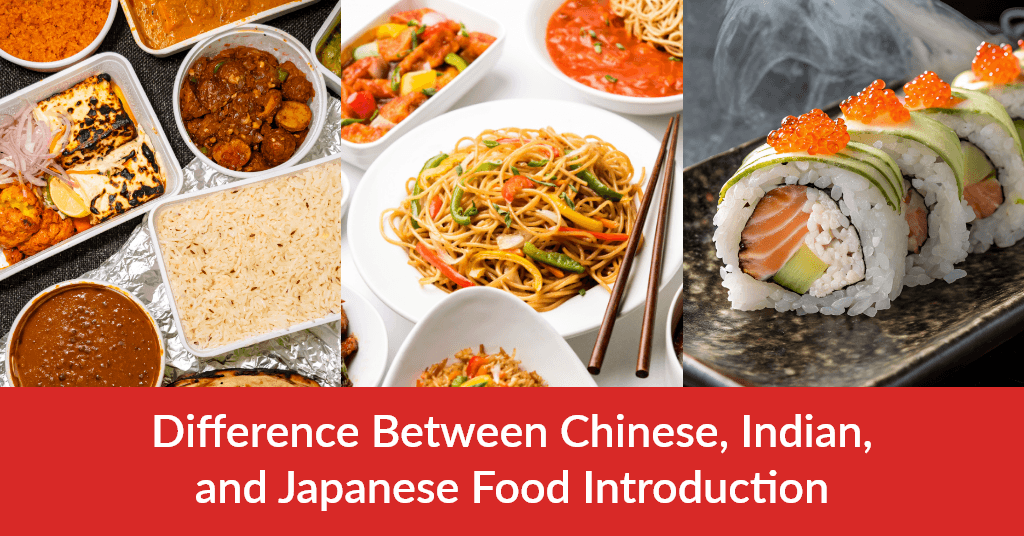
Chinese favourites include Sweet and Sour Chicken, Chicken Chow Mein, and Egg Fried Rice. Chinese food is known for its balanced sweet, savoury, and salty flavours, making it widely appealing and easy to enjoy.
Indian favourites include Chicken Tikka Masala, Butter Chicken, and Biryani. Indian cuisine is defined by bold spices, rich sauces, and layered flavours, with a strong focus on comfort and depth.
Japanese favourites include Sushi, Ramen, and Katsu Curry. Japanese food is lighter, fresher, and more minimalist in flavour compared to the other two cuisines.
In the UK, Chinese and Indian dishes dominate overall takeaway orders, while Japanese cuisine continues to grow in popularity.
Each cuisine performs well in the UK for different reasons. Chinese food is popular because it is quick, consistent, and travels well, making it ideal for casual takeaway meals. Indian food stands out for its variety, rich comfort flavours, and wide range of spice levels, making it perfect for sharing and weekend dining. Japanese food appeals to customers looking for something lighter, fresher, and more health-focused, with simple presentation and balanced portions. Together, they cover completely different needs depending on your mood.
Ordering habits shift throughout the year. In winter, Indian and Chinese food dominate due to their warm, hearty nature, with curries and noodle dishes becoming especially popular. In summer, Japanese food such as sushi and lighter dishes sees increased demand. At weekends, Indian and Chinese cuisines lead due to sharing meals and larger portions. During cultural celebrations like Diwali and Chinese New Year, orders for traditional dishes rise significantly, showing how food choices often follow seasonal and social patterns.
When comparing these cuisines, health perception plays a key role. Indian cuisine is often seen as the most indulgent, with creamy curries, butter-based sauces, and rich breads like naan. Chinese cuisine sits in the middle, offering both fried and lighter stir-fried options depending on what you choose. Japanese cuisine is generally considered the healthiest, with fresh fish, minimal oil, and smaller portion sizes. However, all three cuisines can be adapted to healthier or more indulgent choices depending on your order.
Chinese, Indian, and Japanese cuisines each offer something completely different, from bold spices and comforting curries to fresh, light dishes and simple flavours. Chinese food is all about balance and convenience, Indian food delivers richness and variety, and Japanese food focuses on freshness and simplicity. The best choice depends on your mood, appetite, and occasion. Explore all three through Foodhub and discover new favourites whenever you order.